Pregnancy and Religious Fasting in India: How to Stay Safe During Ramadan, Navratri, and Other Observances
A practical guide for pregnant women navigating religious fasting in India — what the medical guidance says, how to protect your health, and how to honour your faith during pregnancy.
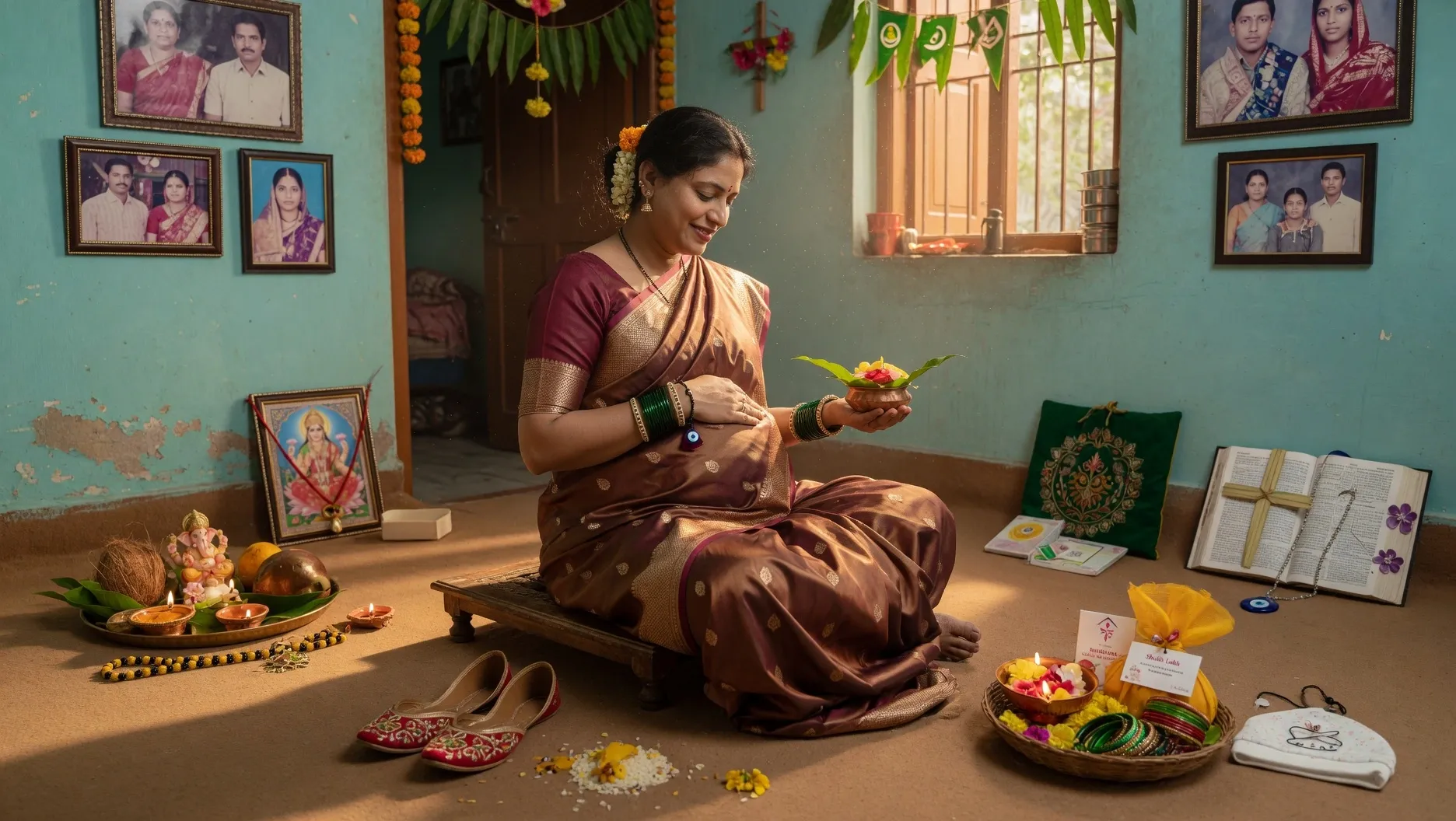
Faith is deeply woven into daily life for most families in India — and that includes the rhythms of religious fasting that mark the calendar throughout the year. Ramadan. Navratri. Ekadashi. Janmashtami. Karva Chauth. Shravan Somvar. For many women, these observances are not just traditions — they are a meaningful part of who they are, practices that connect them to their faith, their community, and their family.
And then they become pregnant, and the question arises: can I fast?
This is not a simple question, and it deserves a serious answer — one that respects both your faith and the genuine medical considerations that pregnancy introduces.
What medical guidance says about fasting during pregnancy
The medical consensus is consistent: prolonged fasting during pregnancy — going without food or water for extended periods — carries risks that increase with the duration and trimester of the fast.
The main concerns are:
Hypoglycaemia (low blood sugar) — During pregnancy, blood sugar regulation changes significantly. The baby draws glucose continuously, and the mother’s body needs regular fuel to maintain stable blood sugar. Extended fasting can cause blood sugar to drop to levels that cause dizziness, weakness, fainting, and in severe cases, can affect fetal wellbeing.
Dehydration — Pregnancy significantly increases fluid requirements. Fasting from water during hot Indian weather — Ramadan falling in summer months, or Navratri in October — can cause dehydration that affects blood volume, kidney function, and in severe cases, premature labour.
Nutritional gaps — Each meal skipped during a critical period of fetal development is a gap in the nutritional supply that the baby depends on. This is particularly significant in the first trimester, when foundational development is occurring, and in the third trimester, when the baby is gaining weight rapidly.
Ketosis — When the body is deprived of glucose, it begins burning fat for energy, producing ketones. Elevated ketones during pregnancy have been associated with effects on fetal brain development in some research.
These risks are not uniform — they vary by trimester, by the specific fast, by the individual woman’s health, and by how the fast is observed.
It is not the same for every fast
The word “fasting” covers very different practices in different religious traditions, and the medical implications vary accordingly.
Complete fast (no food, no water) — The most medically significant. This is the practice for some Hindu fasts and for some observances during Ramadan. Going without water for an extended period during pregnancy is the highest-risk form of fasting and the one most consistently cautioned against by doctors.
Dry fast (no food, water permitted) — Significantly safer than a complete fast. Maintaining hydration reduces the most serious risks, even when food is restricted. Many Hindu fasting traditions permit water and sometimes coconut water, milk, or fruit.
Modified fast (specific foods avoided, others permitted) — Many Indian fasting traditions permit certain foods — fruit, dairy, nuts, specific grains like sama rice or buckwheat — while restricting others. From a medical perspective, a fast that maintains regular eating of permitted foods and allows full hydration carries significantly lower risk than a complete abstention.
Intermittent pattern (specific hours) — Ramadan fasting involves abstaining from food and water from dawn (Sehri) to sunset (Iftar). The duration varies by season and location — in summer in India, this can be 14–16 hours. Research on Ramadan fasting during pregnancy shows mixed outcomes, with studies suggesting that fasting in the first trimester and in the third trimester carries more risk than fasting in the second trimester, and that the timing of the fast relative to the pregnancy matters significantly.
Islamic guidance on fasting during pregnancy
Islamic jurisprudence is clear that pregnant women are exempt from the obligation to fast during Ramadan if fasting poses a risk to their health or the health of the baby. This is not a concession or an exception — it is the religion’s own provision, rooted in the principle that preserving life takes precedence.
The relevant guidance from Islamic scholars is consistent: if a pregnant woman’s doctor advises against fasting, she is not required to fast. She can make up the missed fasts later or, depending on the school of jurisprudence followed, pay fidya (a form of compensation) instead.
For Muslim women who choose to fast despite pregnancy, the Iftar and Sehri meals become critically important — ensuring adequate nutrition, hydration, and the right foods at these meals can significantly reduce the risks associated with daytime fasting. Dates at Iftar, large amounts of water, protein-rich foods, and complex carbohydrates that sustain energy are particularly important.
Any Muslim woman who is pregnant and wishes to observe Ramadan fasting should discuss this with her doctor specifically — ideally before Ramadan begins — so that she can make an informed decision with full understanding of her individual risk factors.
Hindu fasting during pregnancy
Hindu religious practice includes a wide variety of fasts throughout the year — weekly fasts (Ekadashi, Pradosh, Somvar), festival fasts (Navratri, Janmashtami, Mahashivratri), and individual vow-based fasts (vratas). The rules governing each fast vary considerably, and many Hindu fasting traditions are more flexible in practice than they may appear.
Navratri — Nine nights of fasting that occur twice yearly (Chaitra in spring, Sharada in autumn). Traditional Navratri fasting excludes certain grains, non-vegetarian food, onion, and garlic, but typically permits fruit, dairy, nuts, and specific fasting-approved grains. A pregnant woman observing Navratri who maintains regular intake of permitted foods, stays fully hydrated, and eats at normal intervals is not taking significant medical risk. The challenge is ensuring adequate protein, iron, and calories from the permitted foods.
Ekadashi — The eleventh day of each lunar fortnight, observed by many Hindu families as a fast or partial fast. Strict Ekadashi observation excludes grains and beans, sometimes water. For pregnant women, strict water-exclusion fasting on Ekadashi carries real risk and is typically considered exempted by religious authorities when health requires it.
Janmashtami and Mahashivratri — Complete or near-complete fasts are traditional for some observances. These are the fasts where medical risk during pregnancy is most significant and where discussing with your doctor is most important.
The general principle in Hindu tradition is that when health requires it — including during pregnancy — the full rigour of a fast can be modified or exempted. Consulting a knowledgeable religious teacher alongside your doctor can help you find a form of observance that honours your faith without compromising your health.
Practical guidance if you choose to fast
If you have discussed fasting with your doctor and decided to observe, these practices reduce the associated risks:
Stay hydrated within the permitted windows. During permitted eating times, drink more water than you think you need — compensating for the restriction period ahead.
Prioritise protein and complex carbohydrates at pre-fast meals. Foods that release energy slowly — lentils, oats, eggs, nuts, whole grains — sustain blood sugar better than refined or simple foods. Sehri or the meal before a Hindu fast should be substantial and nutrient-dense.
Break the fast gently. Start with dates, coconut water, or fruit rather than a large, heavy meal immediately. This helps blood sugar stabilise gradually rather than spiking.
Rest more on fasting days. Reducing physical activity during fasting periods lowers the body’s energy demands and reduces hypoglycaemia risk.
Know the warning signs and act on them. Dizziness, significant weakness, headache, reduced baby movement, contractions, or any symptom that concerns you — break the fast immediately and seek medical attention. No religious observance requires you to compromise your safety or your baby’s.
Never fast without your doctor’s knowledge. Your doctor cannot help you fast safely if they don’t know you are fasting. Honesty about your intentions allows your care team to monitor you appropriately and advise on the safest approach.
Talking to your doctor about fasting
Some doctors in India are dismissive of religious fasting during pregnancy with a blanket “no fasting during pregnancy” that doesn’t engage with the nuance of what specific fasting traditions involve. Others are sensitive to the cultural and religious dimensions and can provide guidance that helps you observe your faith as safely as possible.
If your doctor says no fasting, ask specifically: what are the risks for my pregnancy, in my current trimester, for this specific type of fast? A complete water fast and a Navratri fast that permits fruit, dairy, and nuts are very different propositions. Understanding the specific risk in your specific situation helps you make an informed decision in consultation with both your doctor and your religious values.
If fasting carries significant risk for your pregnancy and your religious tradition provides an exemption for health reasons — and virtually all major Indian religious traditions do — that exemption exists precisely for this situation. Using it is not a failure of faith. It is the tradition itself providing for the wellbeing of mother and child.
This article is for general informational purposes and does not replace medical or religious guidance. Always consult your doctor about fasting during pregnancy, and consult a knowledgeable religious authority about the provisions your tradition makes for health during pregnancy observances.