Postpartum Constipation: Why It Happens and How to Get Through It
An honest guide to postpartum constipation — why it happens, why the first postpartum bowel movement is so feared, and practical ways to make it more manageable.
Of all the postpartum topics that nobody warns you about adequately, the first bowel movement after birth deserves a special mention. For many women — particularly those who had a perineal tear, an episiotomy, or a caesarean section — the prospect of using the toilet in the first days after birth can feel more frightening than the birth itself. This is not an exaggeration, and it is not something to be embarrassed about.
Postpartum constipation is extremely common. Understanding why it happens, and what practically helps, makes the first days of recovery significantly less distressing.
Why it happens
Multiple factors converge after birth to make bowel movements difficult.
Progesterone — The same hormone that slowed your digestion during pregnancy continues to have an effect in the immediate postpartum period as levels gradually return to baseline.
Dehydration — Labour is physically demanding and many women arrive in the postpartum period dehydrated. Dehydration causes the colon to absorb more water from stool, making it harder and more difficult to pass.
Pain medication — Opioid pain medications, commonly used after caesarean sections, are constipating. The constipating effect is significant and well-documented, and it is one of the reasons bowel management protocols are an important part of C-section recovery.
Iron supplements — Postpartum iron supplementation, often necessary after the blood loss of birth, is constipating for many women. This is one of the most common and least anticipated causes of postpartum constipation.
Fear — After a perineal tear or episiotomy, the fear of the first bowel movement causing further pain or damage can lead to voluntary holding that worsens constipation. This fear is understandable but should be addressed: the stitches will not open from a normal bowel movement, and delaying the first movement makes it progressively harder.
Reduced mobility — After birth, particularly after C-section, reduced mobility slows digestive transit.
Empty bowel from labour — Many women have little or nothing in their bowel by the time they give birth, particularly after a long labour, so the first postpartum bowel movement may not occur for two to three days simply because there is nothing there yet.
Practical strategies that help
Hydration is the first intervention. Drink more water than you think you need — particularly in the first 48 hours after birth. Water softens stool and supports digestive function. Warm water in the morning is a traditional remedy in India for good reason.
Stool softeners are safe and appropriate. If you had a C-section, an episiotomy, or significant perineal tearing, ask your doctor about stool softeners before the first bowel movement rather than after you’re already struggling. Docusate sodium and similar softeners are safe postpartum and breastfeeding-compatible. They are not laxatives — they don’t cause urgency, they simply make stool easier to pass.
Move as soon as you are able. Even gentle movement — getting up to walk to the toilet rather than using a bedpan, short walks within the ward — stimulates digestive transit. Lying completely still for extended periods significantly slows digestion.
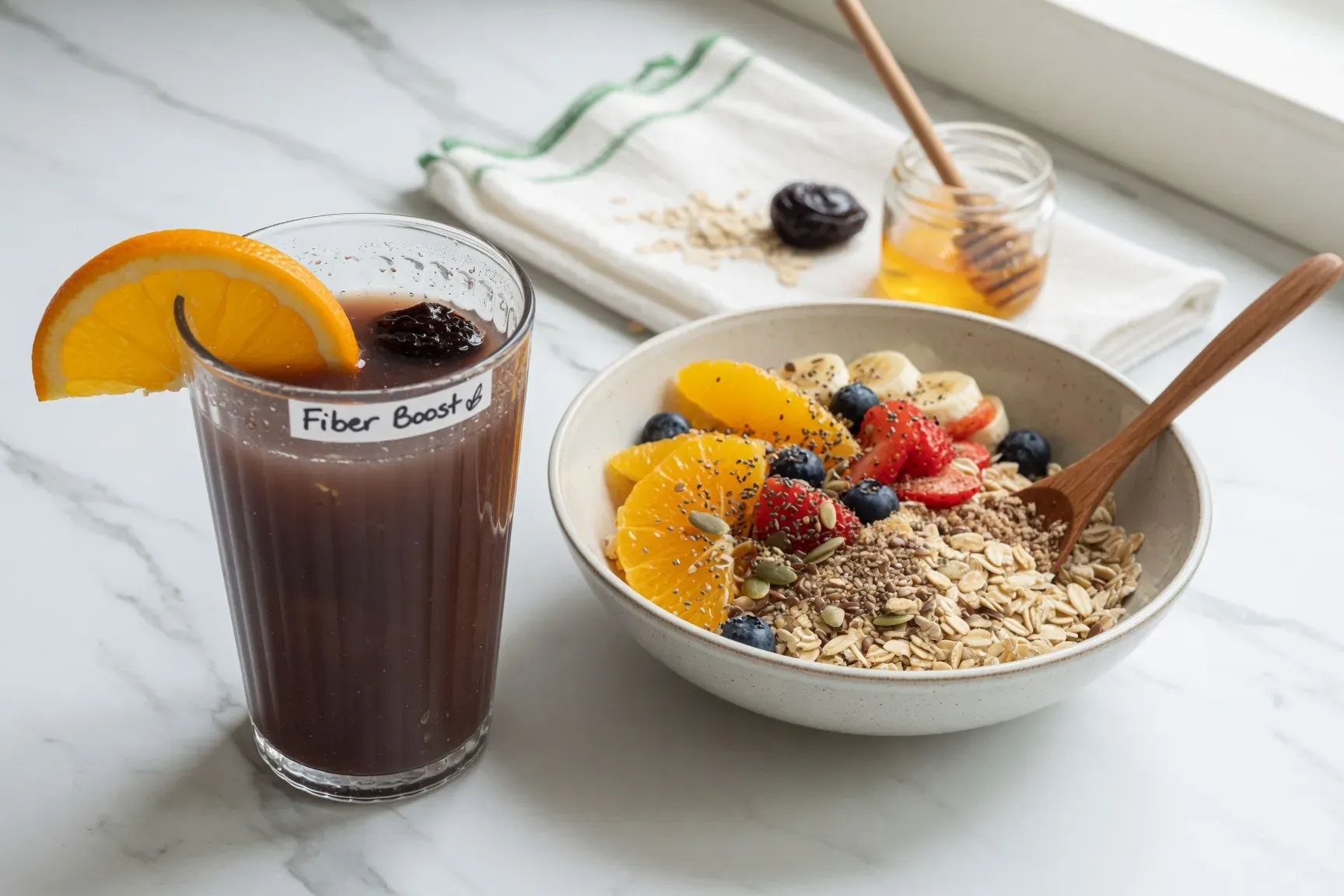
Eat fibre. Dal, vegetables, fruit, whole grain roti, oats — the fibre-containing foods that form the basis of a good Indian diet are exactly what postpartum digestion needs. Avoid very refined, low-fibre foods in the first days after birth.
Use a footstool. Positioning matters. Placing your feet on a small stool to raise your knees above your hip level when using the toilet puts your bowel in a more anatomically natural position that makes evacuation easier with less straining. This is particularly useful when perineal pain makes straining uncomfortable.
Support the perineum when bearing down. Holding a clean pad gently against the perineum when bearing down provides support and can reduce the psychological fear of damage during the first bowel movements after a vaginal birth.
Warm water and a sitz bath. Soaking the perineum in warm water before attempting a bowel movement relaxes the muscles of the pelvic floor and reduces spasm, making the first movement more comfortable.
When to seek medical help
Postpartum constipation that persists beyond three to four days, is accompanied by significant abdominal distension, or is accompanied by nausea or vomiting should be evaluated. A brief assessment can identify whether something beyond normal constipation is occurring.
Also seek evaluation if you experience any bowel incontinence — difficulty controlling stool or gas — after a vaginal birth. This is more common than is openly discussed and can be a sign of a fourth-degree tear or anal sphincter injury that warrants assessment and physiotherapy.
This article is for general educational purposes only. If postpartum constipation is severe or persistent, speak with your healthcare provider.