
Fish During Pregnancy: Which Kerala Fish Are Safe and Which to Limit
A practical guide to eating fish safely during pregnancy in Kerala — which fish to eat, which to avoid, and how much is recommended.
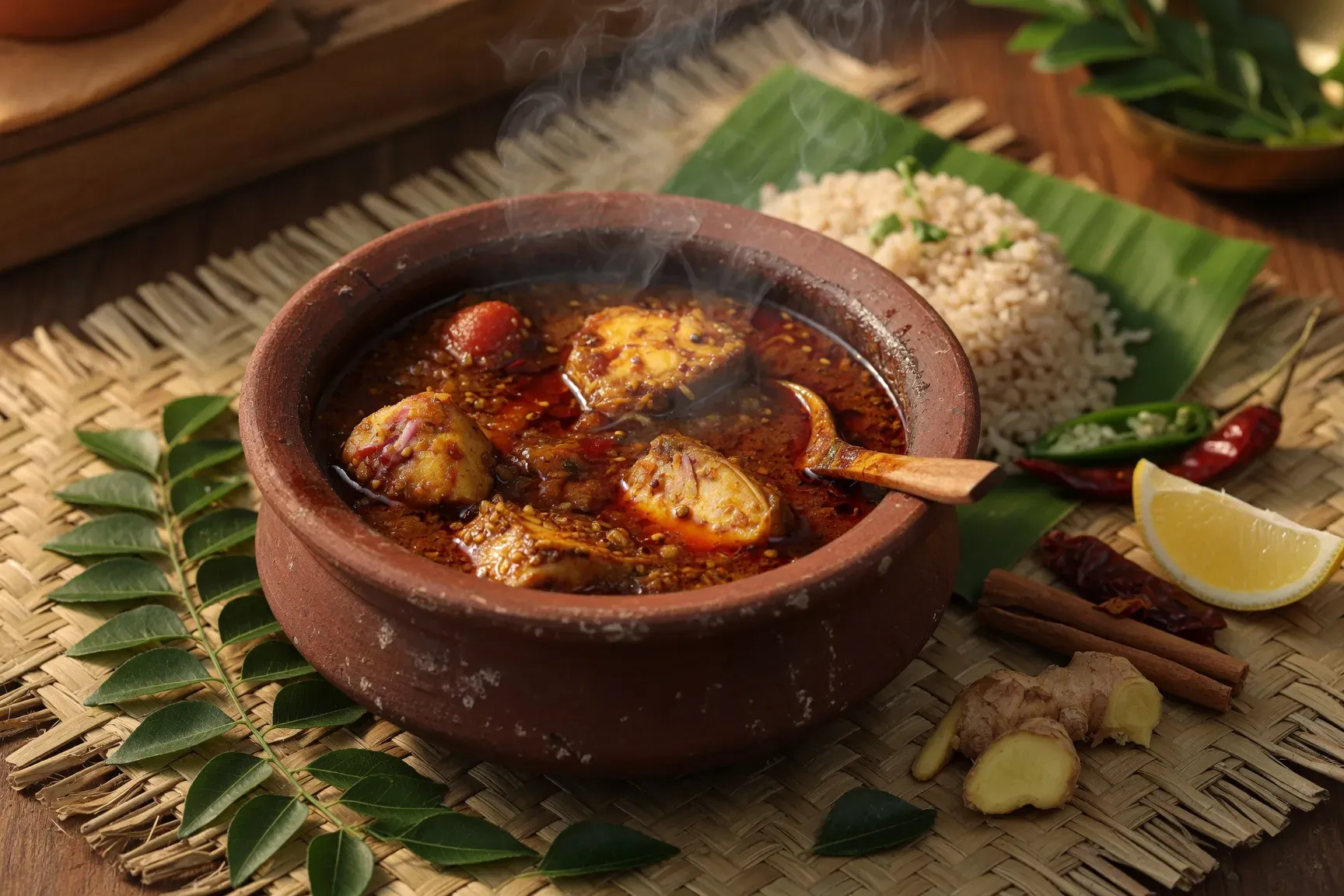
Fish is both one of the most recommended foods in pregnancy and one of the most frequently misunderstood.
The recommendation to eat fish during pregnancy is clear and well-supported: oily fish provides DHA, an omega-3 fatty acid that is critical for your baby’s brain and eye development, and high-quality protein with a nutritional profile that is difficult to replicate from plant sources alone. For a coastal population like Kerala’s — where fish is deeply embedded in daily cooking and cultural life — fish is one of the most natural and accessible pregnancy foods available.
And yet women regularly reduce or eliminate fish during pregnancy out of concern about mercury, parasites, or a general sense that seafood is risky when pregnant. This concern is not unfounded — some fish genuinely should be avoided or limited due to mercury content — but it is often applied too broadly, causing women to avoid fish that are actually safe and nutritionally beneficial.
The practical answer comes down to knowing which fish you’re eating and how it’s prepared. For most of the fish that appear regularly in Kerala homes, the answer is that they are safe.
Why mercury matters — and why it doesn’t affect all fish equally
Mercury is a heavy metal that accumulates in aquatic environments through industrial pollution. Fish absorb it from the water and from smaller organisms they eat. Large predatory fish — which eat many smaller fish over long lives — accumulate the highest mercury levels through a process called biomagnification.
During pregnancy, mercury crosses the placenta and can affect the developing nervous system of your baby. High mercury exposure during pregnancy is associated with neurodevelopmental problems, which is why the guidance to limit certain fish is medically relevant and not excessive caution.
However — and this is the critical point — mercury levels vary enormously between fish species. Small, short-lived fish that eat plankton and smaller organisms accumulate very little mercury. Large, long-lived predatory fish accumulate very high levels. This is why the guidance on fish in pregnancy is not “avoid all fish” but “avoid certain fish and eat others freely.”
Kerala fish that are safe to eat in pregnancy
These fish are low in mercury and high in DHA, protein, and other nutrients. Eating two to three servings per week of these fish is recommended during pregnancy.
Sardines (mathi / chala) — possibly the single best pregnancy fish available. Small, short-lived, high in DHA and omega-3s, excellent calcium content (particularly when eaten with the soft bones, as in many traditional preparations), very low mercury. Kerala sardine curry, sardines fried with masala, sardines in tamarind gravy — all excellent.
Mackerel (ayala) — a Kerala kitchen staple and an outstanding pregnancy food. High in DHA, protein, B12, and selenium. Low in mercury. Mackerel fish curry, fried mackerel, and masala mackerel are all fine and nutritionally valuable.
Pomfret (avoli) — lower in fat than sardines or mackerel, but a good protein source with low mercury. A versatile fish that works across a range of Kerala preparations.
Rohu (rohu / karp) — a freshwater fish widely eaten across Kerala, low in mercury and a good protein source. Used in curries and fried preparations.
Catfish (keluthi) — low mercury, good protein. A freshwater option that is common in many Kerala households.
Prawns and shrimp (chemmeen) — low in mercury, good protein source, and a versatile ingredient across Kerala cooking. Prawns can be eaten safely in pregnancy as long as they are thoroughly cooked. Avoid raw or undercooked prawns, as with all seafood.
Crab and lobster — low in mercury and safe to eat in pregnancy when thoroughly cooked. Traditional Kerala crab preparations are fine.
Tilapia — a commonly available farmed fish with very low mercury and good protein. Lower in omega-3s than oily wild fish, but a safe choice.
Pearl spot (karimeen) — a Kerala fish with low mercury and cultural significance. Safe to eat and a good protein source.
Mullet (thirutha) — low mercury, commonly eaten in Kerala, safe in pregnancy.
Fish to limit in pregnancy
These fish have moderate mercury levels. The guidance is generally to eat them no more than once a week rather than daily.
Snapper (red and silver) — moderate mercury; fine occasionally but not daily.
Sea bass — moderate mercury levels; occasional consumption is fine.
Tuna (tinned light tuna) — canned light tuna (not albacore) is considered lower in mercury and generally considered safe up to about two servings per week. The guidance varies between health bodies — check with your provider.
Kingfish (neimeen / seer fish / surmai) — this requires careful attention. King mackerel, which is a different fish from the smaller Indian mackerel (ayala) discussed above, has high mercury content and should be avoided. However, seer fish (surmai / neimeen) in Indian markets generally refers to species with moderate rather than high mercury. Given the naming confusion, it is worth eating seer fish cautiously — occasionally rather than frequently — or checking with your provider about the specific species available in your area.
Fish to avoid in pregnancy
These fish have very high mercury content and should not be eaten during pregnancy.
Shark (sora / kola meen) — widely eaten in Tamil Nadu and parts of coastal South India; should be avoided entirely in pregnancy due to very high mercury content.
Swordfish — not commonly part of Kerala cuisine but should be avoided if encountered.
King mackerel — not the same as the smaller Indian mackerel (ayala); avoid.
Tilefish — not typically part of Indian coastal cuisine; avoid if encountered.
Large predatory ocean fish in general — if you are unsure about a fish, the guiding question is whether it is large and long-lived. Large ocean predators accumulate more mercury. Smaller coastal and freshwater fish accumulate less.
Raw and undercooked fish — the other consideration
Mercury is not the only safety concern with fish in pregnancy. Raw fish and undercooked seafood can carry bacteria, viruses, and parasites that are more dangerous during pregnancy because the immune system is functioning differently.
This means:
- No raw fish — sashimi, partially cooked fish in chaat preparations, or fish that has not been fully cooked through
- Prawns, crab, and shellfish must be cooked until completely done — not rubbery and slightly translucent, but fully opaque and cooked through
- Fish curry, fried fish, and baked fish where the flesh flakes and is fully opaque are all fine
- Dried fish (fish in its dried, preserved form) — traditional in Kerala cooking — is generally safe because the drying process prevents microbial growth; ensure it is prepared hygienically
How much fish should you eat?
The general guidance in pregnancy is two to three servings per week of low-mercury fish. A serving is approximately 100–150 grams of cooked fish — roughly the portion in a typical Kerala fish curry.
This is a recommendation to eat fish regularly, not a ceiling that you should be nervous about reaching. Many South Asian pregnancy guides err too far in the direction of restriction; the evidence supports regular fish consumption as genuinely beneficial for your baby’s brain development.
A note on fish for vegetarians who sometimes eat fish
Some women who identify as vegetarian in their regular life include fish during pregnancy specifically for its nutritional benefits, particularly DHA. This is a personal choice, and there is clear nutritional logic for it. If you are in this position, the same guidance applies: low-mercury fish, two to three times a week, thoroughly cooked.
For women who do not eat fish at all, the most important alternative is an algae-based DHA supplement, discussed in the vegetarian pregnancy article in this series.
Cooking fish safely in a Kerala kitchen
The traditional Kerala approach to fish — cooking it thoroughly in a curry with tamarind and spices, or frying it through completely — is exactly the right approach for pregnancy. There is no need to change how you cook. The techniques already used in Kerala cooking handle fish safety correctly.
The only adaptation worth making is to be vigilant about cooking time for prawns and shellfish specifically. They cook quickly, and undercooked shellfish is a more significant safety concern than undercooked fin fish.
The honest summary
Fish is a genuinely good food to eat during pregnancy. For women eating Kerala fish in normal amounts as part of their regular diet, the fish that appear most commonly — sardines, mackerel, pomfret, rohu, prawns, karimeen — are all safe and nutritionally beneficial. The fish to avoid are large ocean predators, particularly shark, which is worth noting specifically because it is eaten in some parts of South India and is genuinely high in mercury.
Eat fish. Eat it cooked through. Choose the fish that appears most often in your kitchen and your community. And know that what Kerala coastal families have eaten across generations of pregnancies is, in most cases, exactly what the evidence recommends.
This article is for general educational purposes only and does not replace personalised nutrition or medical advice. Always consult your doctor, midwife, or a qualified healthcare professional about your specific dietary needs during pregnancy.