
Postpartum Nutrition in Kerala: Traditional Foods That Support Recovery After Birth
A guide to Kerala's traditional postpartum foods — what they provide nutritionally, why they work, and how to adapt them for modern recovery.
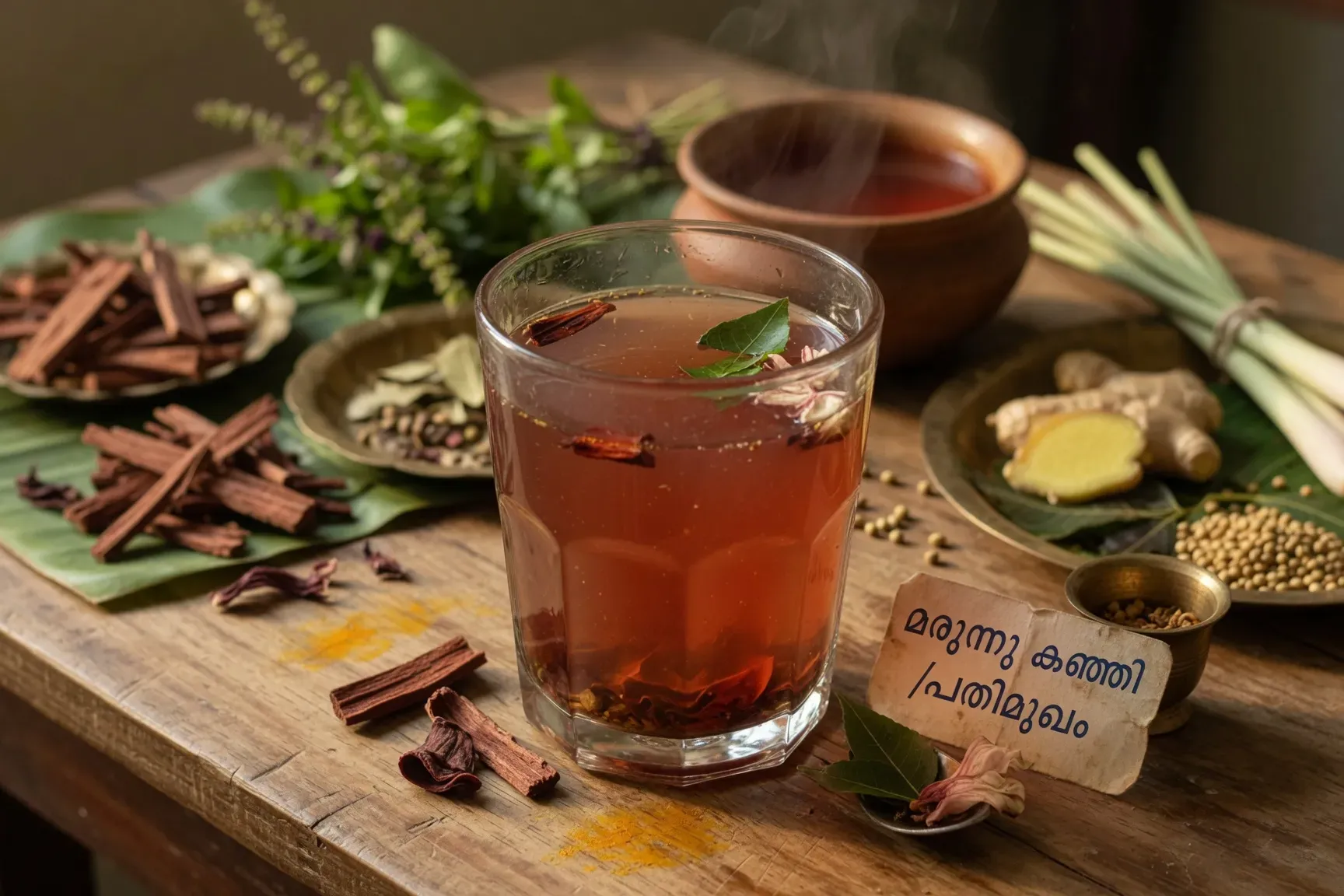
In Kerala, the weeks after birth have always been taken seriously as a period of recovery, rest, and deliberate nourishment.
The concept of the “confinement period” — known as pathimāsam or the first forty-five to sixty days after birth — represents a cultural understanding that a woman who has just given birth is not simply going back to ordinary life. Her body has undergone a significant physical event. It needs time, warmth, rest, and specific nourishment to recover fully. The traditional foods and practices of this period were not arbitrary — they were accumulated wisdom about what a postpartum body needs, encoded in recipes and rituals passed across generations of women.
Modern medicine has, in recent decades, caught up with much of what traditional practice understood. Protein for tissue repair. Iron-rich foods for replenishing what was lost in birth. Warming, easily digestible foods for a digestive system that is readjusting. Foods that support milk production for breastfeeding mothers. Anti-inflammatory preparations that support healing.
This article is about the nutritional logic behind Kerala’s traditional postpartum foods, and how that wisdom applies to recovery after birth — whether you are surrounded by family who will cook for you, or navigating new motherhood in a household where those traditional practices need to be adapted.
What the postpartum body needs nutritionally
Before looking at specific foods, it helps to understand what is happening nutritionally in the weeks after birth.
Iron and blood replenishment — birth involves blood loss, even in uncomplicated vaginal deliveries. Caesarean sections involve more. The blood volume that expanded so significantly during pregnancy now needs to return to its pre-pregnancy state, which involves a complex redistribution. Iron-rich foods support red blood cell production during this transition.
Protein for healing — tissues that were stretched, strained, or surgically cut during birth need protein to repair. Perineal tissue, the uterine wall, and abdominal muscles after a caesarean all require adequate protein for efficient recovery.
Calcium and bone support — particularly for breastfeeding mothers, calcium needs remain high throughout lactation. Breastmilk is calcium-rich, and if maternal intake is insufficient, the body continues to draw from bone stores — a process that should not extend indefinitely.
Calories for breastfeeding — breastfeeding requires approximately 300–500 additional calories per day above pre-pregnancy baseline, significantly more than pregnancy itself in the third trimester. This is the moment when calorie intake actually needs to increase meaningfully, not during the pregnancy itself.
Warmth and digestive support — traditional Ayurvedic and South Indian understanding classifies the postpartum body as experiencing a specific state — vata-dominant in Ayurvedic terms, or simply “cold” and depleted in broader traditional understanding — that responds well to warming, easily digestible, nourishing foods. Modern nutritional science doesn’t use this framework, but it does recognise that the postpartum digestive system can be sluggish and that foods which are easy to absorb and rich in nutrients serve recovery well.
Hydration for milk production — breastmilk is largely water, and adequate fluid intake is fundamental to maintaining milk supply. Postpartum women are often encouraged to drink to thirst, which tends to be a reliable guide because the hormones of lactation increase it.
Kerala’s traditional postpartum foods — and the nutritional logic behind them
Kanji (rice porridge / congee)
In the immediate postpartum period, when digestion is often sensitive and appetite is low, kanji — rice cooked until very soft in plenty of water or with added coconut milk — is one of the gentlest and most nourishing options available. It is easily digestible, provides carbohydrate for energy, can be enriched with coconut milk or ghee for additional calories, and is hydrating.
It is the food of early recovery — the first few days when solid meals may feel overwhelming. As recovery progresses, kanji transitions from a primary meal to an accompaniment or early morning preparation, replaced by more substantial foods.
Pathila kanji (leaf kanji)
A more nutritionally complex kanji made with herbal leaves — traditionally including drumstick leaves (murungai keerai), amaranth (cheera), and other greens. This preparation provides the digestibility of porridge alongside iron, folate, and vitamin C from the greens. It is a traditional first step toward more nutritionally dense eating in the postpartum period.
Uzhunnu vada and dal preparations
High-protein, iron-rich preparations from urad dal. Uzhunnu vada, the familiar crispy lentil fritter, is traditionally made for postpartum women specifically, and its protein and iron content reflect why. Dal in general — across all its varieties — is a cornerstone of postpartum nutrition in Kerala for the same reasons it matters in pregnancy: protein, iron, and easy absorption.
Pal payasam and rice pudding
Milk-based sweet preparations that provide calcium, protein, and carbohydrate — and that are genuinely enjoyable to eat in a period when appetite may be inconsistent. The tradition of feeding a new mother payasam reflects an understanding that she needs both nourishment and pleasure in food during recovery, and that dense, sweet, warm preparations meet both.
Ginger preparations — chukku (dried ginger) in various forms
Dried ginger appears repeatedly in postpartum preparations across Kerala. Chukku kaapi (dried ginger coffee with jaggery), chukku added to dal, chukku in warm drinks — ginger has well-documented anti-inflammatory properties and supports digestion and circulation. In the postpartum context, it helps with the bloating and digestive sluggishness that often follow birth, and its warming properties align with the traditional understanding of what the postpartum body needs.
Ajwain (carom seed) water
Ajwain water — seeds steeped in hot water and drunk warm — is a traditional postpartum digestive support across South India. It reduces bloating and gas, which are common in the first postpartum days as digestion readjusts, and the warmth supports circulation. This is a preparation with practical and long-standing validation.
Garlic in cooking
Garlic is specifically emphasised in postpartum cooking across Kerala tradition, particularly for breastfeeding mothers, for its galactagogue properties (foods traditionally believed to support milk production). There is limited modern clinical evidence for garlic specifically as a milk-booster, but garlic has genuine anti-inflammatory and antimicrobial properties, and its presence in postpartum cooking supports recovery in general ways even if the lactation-specific claim is not fully proven.
Garlic-heavy preparations — garlic added generously to dal, to fish curries, to broths — are a consistent feature of Kerala postpartum cooking for good reason.
Drumstick (murungai / sahjan)
Drumstick pods, drumstick leaves, and drumstick in sambar are all specifically valuable in the postpartum period. Drumstick is one of the most nutrient-dense vegetables available — high in calcium, iron, folate, vitamin C, and protein. It is one of the traditional galactagogues of South Indian cooking, and the nutritional density that would support milk production is consistent with its overall profile. Drumstick sambar eaten regularly in the postpartum period is traditional wisdom that nutritional analysis validates.
Fish curry
For non-vegetarian women, fish — particularly sardines and mackerel — is an important part of postpartum recovery in Kerala. The protein supports healing, the DHA continues to matter for a breastfeeding baby’s brain development (DHA passes into breastmilk), and iron from fish contributes to replenishment after birth blood loss. The traditional pattern of increasing fish in the postpartum diet is nutritionally sound.
Coconut oil-cooked preparations
The use of coconut oil in postpartum cooking — both in food and in traditional external application — reflects the understanding of its role as a warming, nourishing fat. Internally, coconut oil in cooking provides medium-chain fatty acids that are metabolically accessible and easily used for energy during the physically demanding period of early motherhood. It also makes postpartum food more calorie-dense without requiring large volumes — useful when appetite is variable.
Jaggery-based sweets and preparations
Jaggery appears throughout Kerala postpartum cooking — in payasam, in chukku kaapi, in laddoos, in kanji sweetener. Unlike refined sugar, jaggery contains iron, magnesium, and potassium in small but meaningful amounts. The traditional use of jaggery specifically rather than sugar in postpartum preparations reflects a nutritional awareness that distinguished them. Jaggery-based preparations provide iron alongside energy — which is exactly what the postpartum period requires.
Foods to be thoughtful about in the postpartum period
The traditional caution around “cooling” and “wind-producing” foods in the postpartum period has a practical basis in some cases:
Raw vegetables in large amounts — can cause gas and bloating in the early postpartum period when digestion is readjusting. Cooked vegetables are generally better tolerated than raw salads in the first few weeks.
Very spicy food — in breastfeeding mothers, strongly spiced food can sometimes affect breastmilk flavour and, for some sensitive babies, cause gas or discomfort. This varies significantly between individual babies — many tolerate spiced milk well — but if your baby seems uncomfortable after particularly spicy feeds, moderating spice is worth trying.
Very cold food and drinks — not dangerous, but the traditional caution against cold food and drinks in the postpartum period has some basis in supporting digestion and circulation. Warm foods and drinks are generally more comfortable and easier to absorb in this period.
Adapting traditional postpartum nutrition to modern circumstances
Not every woman is surrounded by family members who will cook traditional postpartum meals for forty-five days. New motherhood in nuclear families, or in households without traditional cooking knowledge, can mean that the cultural infrastructure of postpartum nutrition is not readily available.
Some practical adaptations:
- Prepare and freeze kanji, dal, and rice-based preparations in the final weeks of pregnancy, before the exhaustion of new motherhood sets in
- Share this article with family members who will be helping, so the nutritional logic behind traditional preparations is understood rather than approximate
- Stock dried ginger, ajwain, jaggery, and coconut oil before birth so that simple supportive preparations are easy to make
- Accept help with cooking when it is offered — postpartum is not the moment to insist on independence from the kitchen
The goal is not to reproduce every element of traditional postpartum practice perfectly. It is to understand what your body needs in the weeks after birth and to provide it in whatever form is accessible. Nourishing, warm, protein-rich, iron-containing, easily digestible food — in generous amounts — is the core of it. The specific recipes are vessels for that core; adapt as needed.
The honest message about postpartum nutrition
Recovery after birth is not an afterthought. The nourishment of the weeks and months after birth matters for how fully you recover, for how well breastfeeding is established, and for your long-term health.
Kerala’s traditional postpartum food wisdom understood this with clarity that modern medicine has been slow to match. The pathimāsam, the designated recovery period, the specific foods prepared for a new mother — these were not superstition or cultural formality. They were a recognition that birth is a significant physical event and that recovery requires real, consistent, deliberate care.
Feed yourself accordingly. Accept care when it is offered. And know that the kanji, the drumstick sambar, the chukku kaapi, and the uzhunnu vada that your family may be preparing are not just tradition — they are some of the best postpartum food science has found, wrapped in the familiarity of home.
This article is for general educational purposes only and does not replace personalised nutrition or medical advice. Always consult your doctor, midwife, or a qualified healthcare professional about your specific dietary needs after birth.