Kerala Postpartum Traditions: Which Are Genuinely Beneficial and Which Can Be Skipped
An honest look at traditional Kerala postpartum practices — the confinement period, special foods, oil massages, and other customs — what the evidence supports and what is safe to set aside.
The forty days after birth in Kerala are not just a recovery period. They are a structured, ritualised system of care that has supported new mothers for generations — one that modern medicine is only beginning to formally recognise the wisdom of.
The traditional Kerala postpartum period, often called the puerperal confinement or simply “the forty days,” involves specific foods, specific care routines, specific practices for the mother and baby, and a collective family responsibility for the new mother’s recovery that many women in nuclear family settings or in the diaspora find they genuinely miss when it is not available to them.
Not every tradition within this system is equally beneficial. Some are genuinely good. Some are harmless but of limited evidence base. And a few warrant some gentle scrutiny. This guide tries to sort through them honestly.
The genuinely beneficial traditions
Rest and protection from responsibility
The foundational principle of the Kerala postpartum tradition — that the new mother is not responsible for the household during the recovery period, that she is fed, cared for, and protected from the usual demands of domestic and social life for the first forty days — is one of the most evidence-aligned practices in the entire system.
Modern research on postpartum recovery is clear: adequate rest supports physical healing, hormonal stabilisation, milk supply, and mental health in the weeks after birth. A new mother who is cooking, cleaning, managing the household, and entertaining visitors is not recovering optimally. The traditional Kerala system of total support — where the mother’s job is to feed and bond with the baby, and everything else is handled by family — is genuinely good care.
Postpartum oil massage (Abhyanga)
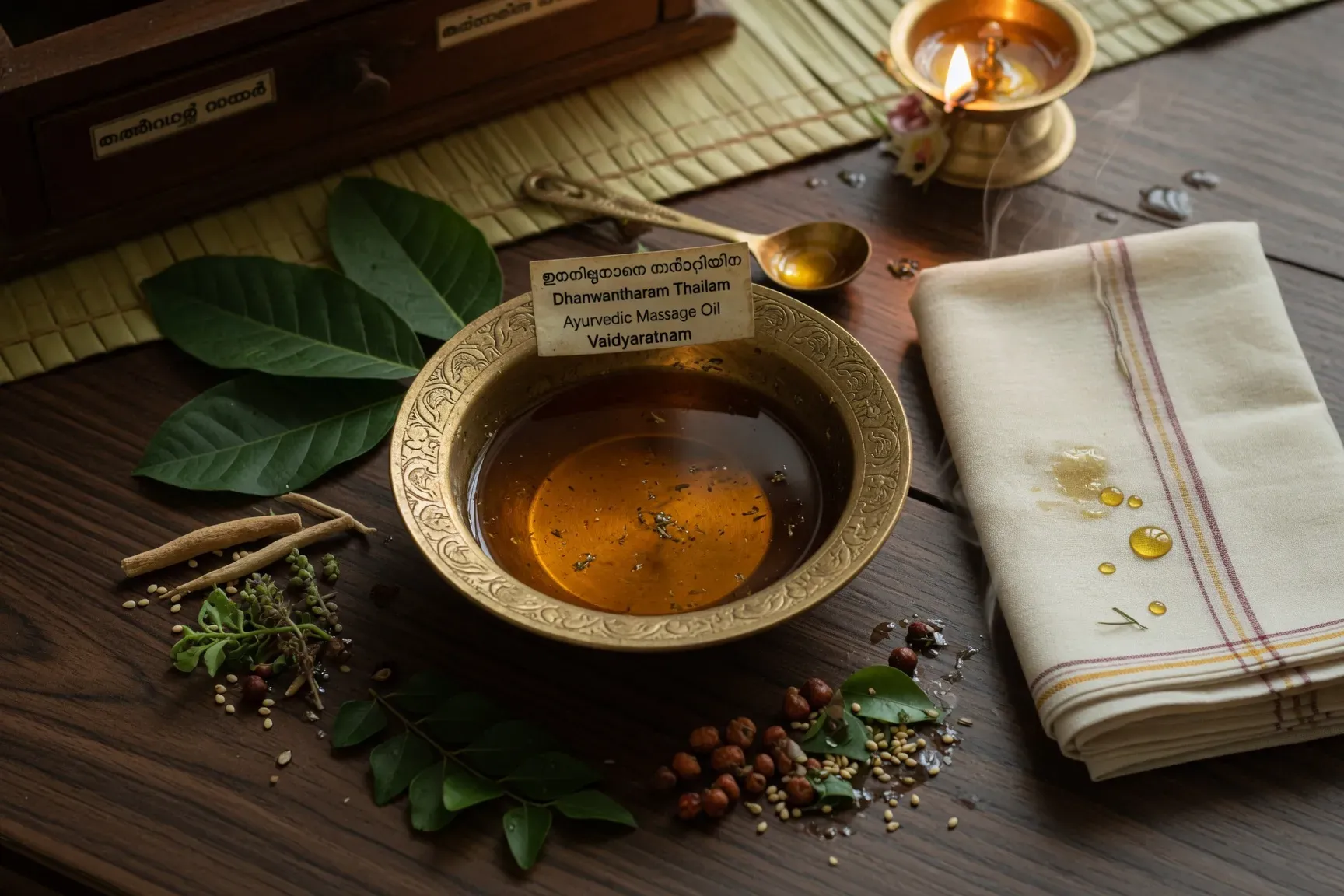
Traditional Kerala postpartum massage — a whole-body oil massage using medicated oils, typically performed daily in the first weeks after birth — is one of the most celebrated elements of the tradition and one with genuine evidence behind it.
Massage supports circulation, reduces muscle tension and pain from the physical work of labour and birth, promotes relaxation and sleep, and may support recovery of the abdominal muscles. The skin-to-skin contact and the dedicated care of the massage also have psychological benefits — the experience of being cared for, of having hands attend to your body’s healing, has wellbeing value beyond the physical.
The oils used in traditional Kerala postpartum massage — typically sesame oil-based or coconut oil-based preparations, often medicated with specific herbs — have skin nourishing properties and the warmth of the oil application is genuinely comforting.
Special postpartum foods
The traditional Kerala postpartum diet is built around foods that are easy to digest, warming, nutritionally dense, and supportive of lactation. Many of these recommendations have strong nutritional backing.
Kanji (rice congee or gruel) — Easy to digest, warm, provides energy without taxing a recovering digestive system. Often the first food after birth.
Ragi kanji — Calcium-rich, iron-containing, sustaining. One of the best traditional postpartum foods nutritionally.
Muringakkai (drumstick) preparations — Iron, calcium, and protein in a form that has been used for generations specifically for postpartum recovery and lactation. Strongly supported nutritionally.
Keerai (leafy greens) — Iron and folate when the body is recovering from the blood loss of delivery.
Fish curry with rice — Once introduced in the later weeks, a complete protein with DHA for breastfeeding mothers.
Dry ginger, pepper, and cumin used in cooking — Traditional Kerala cooking uses these spices specifically in postpartum preparations for their warming and digestive properties. There is some evidence for anti-inflammatory properties of these spices.
Coconut in various forms — Deeply embedded in Kerala postpartum food culture, provides medium-chain fatty acids and supports overall nutrition.
Keeping the mother warm
Traditional Kerala postpartum practice emphasises keeping the mother warm — warm foods, warm oil applications, protection from cold air. This reflects the classical understanding of the body’s post-birth vulnerability. While the specific explanations differ between Ayurvedic and modern frameworks, the practical wisdom of protecting a recovering body from cold stress has merit.
Baby oil massage
Daily oil massage for the newborn — typically with coconut oil or baby-specific preparations — is a deeply embedded Kerala practice. Research supports infant massage for weight gain in premature infants and for general bonding and development. For full-term healthy babies, the evidence is less definitive but the practice is safe and the skin-to-skin contact and bonding elements are valuable.
Traditions that are harmless but limited in evidence
Specific herbal preparations and medicated oils
Many traditional Kerala postpartum preparations involve specific medicated oils and herbal compounds from the Ayurvedic tradition — some used in massage, some consumed internally. The classical Ayurvedic materia medica for postpartum care is extensive and sophisticated. The modern evidence base for specific preparations varies — some compounds have relevant documented properties, for others the evidence is primarily experiential and traditional.
These preparations are generally safe when used as traditionally directed and when sourced from reputable traditional physicians or pharmacies. The caution is around dosage and source quality — not around the practice itself.
Specific dietary restrictions
Traditional postpartum food restrictions — avoiding certain vegetables, certain fruits, or certain preparation methods — vary by family and community and the specific rationales are not always clear. Most of these restrictions are harmless to observe. Where a restriction would result in eliminating nutritionally important food groups (such as avoiding all vegetables), it is worth discussing with your doctor.
Not bathing for specific periods
Some traditional practices include restriction of bathing in the early days. From a hygiene perspective — particularly for C-section wound care or perineal wound care — maintaining cleanliness is medically important. A warm water bath, rather than no bathing, is generally appropriate and aligns with the warming principle of the tradition while meeting wound care needs.
Traditions to approach with care
Tightly binding the abdomen
Tight binding or wrapping of the abdomen postpartum is a traditional practice in Kerala and across India, aimed at supporting the uterus and helping the abdomen “return.” From a modern physiotherapy perspective, very tight binding that increases intra-abdominal pressure is not recommended, particularly after C-section. Gentle supportive wrapping is different from tight binding — if this practice is part of your family tradition, discuss the form it takes with your physiotherapist or doctor.
Restricting the mother from leaving the house entirely
The protective intention of keeping the new mother at home is good. Extending this to absolute restriction that prevents fresh air, gentle walking, and access to natural light for weeks on end has limited benefit and can contribute to vitamin D deficiency and mood difficulties. Gentle outdoor time in the early mornings, once the mother feels able, is beneficial rather than harmful.
Delay in seeking medical care because of confinement
The most important caveat about the forty-day tradition: confinement and care should never delay seeking medical attention for concerning symptoms. Warning signs — postpartum haemorrhage, infection, signs of postpartum preeclampsia, mental health crisis — require medical evaluation regardless of where the tradition places the mother in her recovery calendar.
The spirit of the tradition
What the Kerala postpartum tradition gets most right is the principle that the new mother needs sustained, unconditional care — not just in the immediate hours after birth but for weeks. Modern medicine is gradually rediscovering this through the lens of fourth trimester care, postpartum mental health, and the recognition that the six-week postpartum check is far too brief a window for the support new mothers actually need.
If you have access to a family and community that can provide forty days of care in the Kerala tradition, that is a genuine gift. Receive it. If the tradition is not available to you in full — if you are in a nuclear family, in the diaspora, in a different cultural context — the underlying principles are worth creating in whatever form your circumstances allow: rest, nourishing food, protection from unnecessary demands, and the consistent presence of people who care for you while you care for your baby.
This article is for cultural and general educational purposes. Always follow your doctor’s postpartum care instructions, particularly regarding wound care and recovery after C-section or perineal repair.