Pregnancy Superstitions in India: Which Ones Are Harmless and Which Can Cause Harm
A calm, honest look at common Indian pregnancy superstitions — what is harmless cultural tradition, what has no basis, and what advice could genuinely affect your health.
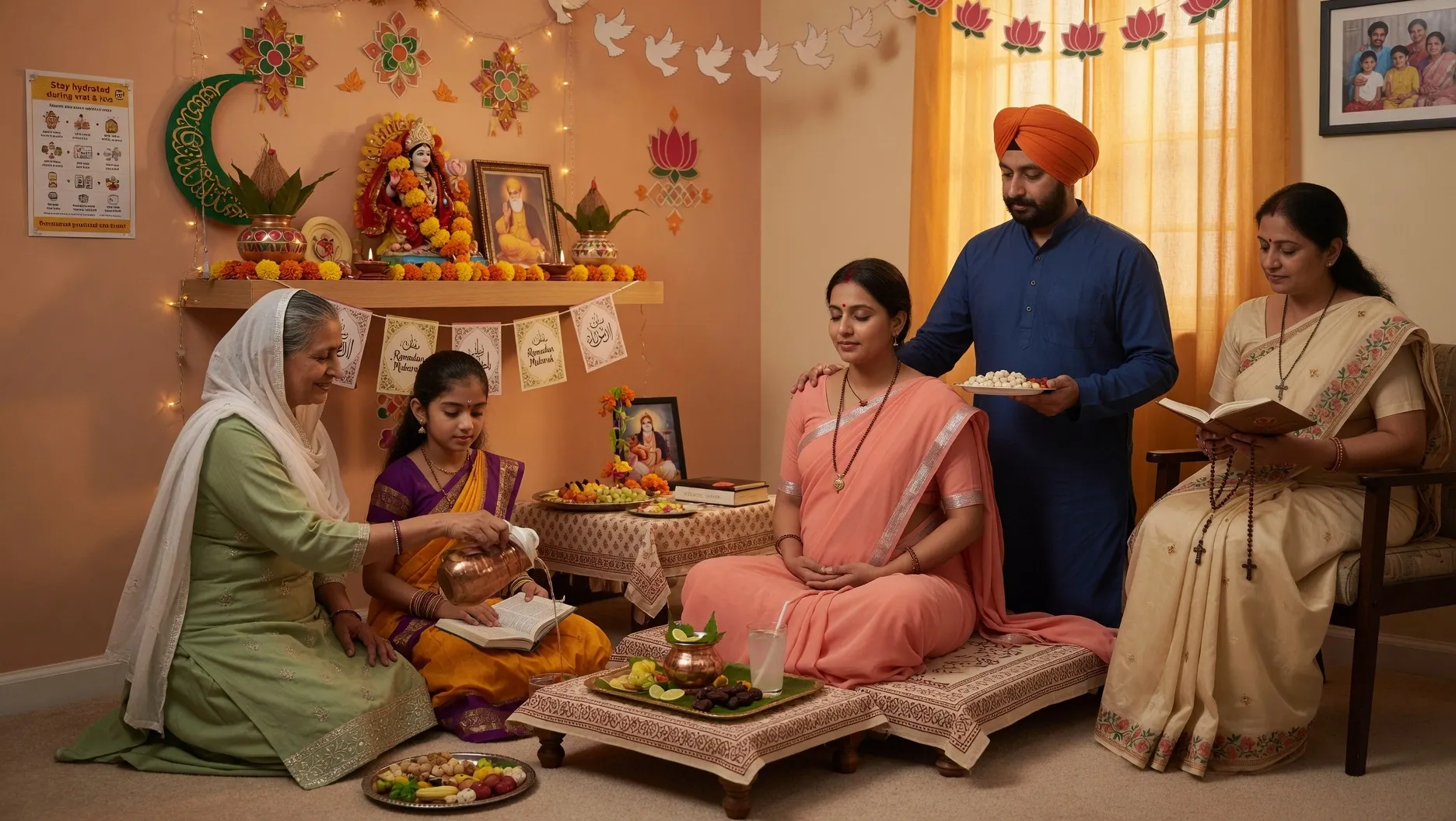
If you are pregnant in India, you will encounter superstitions. Many of them. Delivered with absolute confidence by people who love you.
Do not go out during an eclipse. Do not look at a snake. Do not sit at the threshold. Do not cut your hair. Do not attend a funeral. Eat this, don’t eat that, don’t do this, make sure you do that — and if anything goes wrong, there will be a superstition that explains why.
Most of these beliefs come from genuine love and the very human desire to protect a new life during a vulnerable time. They are cultural memory — practices and warnings passed down through generations in the absence of the medical knowledge we now have. Many of them are completely harmless. Some of them have practical wisdom buried in them. And a small number of them can cause real harm if followed at the expense of medical advice.
This guide tries to sort through them honestly.
The harmless ones — observe them if they bring comfort
These superstitions have no scientific basis but also cause no harm. If they bring you comfort, or if observing them keeps peace with your family, there is no reason to argue against them.
Not going out during a lunar eclipse
The belief that eclipses are harmful to the unborn baby has no scientific basis. Eclipses produce no radiation or physical effect that could harm a pregnancy. However, the traditional practice of staying indoors and resting during an eclipse — if it means a few hours of quiet rest — is not harmful. This is one to let go without conflict.
Not sitting at the threshold of a door
This is a very widespread Indian superstition with several traditional explanations. It causes no physical harm, and if avoiding doorway sitting keeps family harmony during a stressful pregnancy, it costs very little.
Not cutting hair during certain months
Hair cutting is completely safe during pregnancy. The belief that cutting hair brings bad luck has no basis. That said, refusing to cut your hair causes no harm either — and if it’s not worth the argument with family, you’re not missing anything medically by delaying a haircut.
Wearing specific amulets or threads for protection
Black threads, specific amulets, and protective items are used across India to ward off the evil eye (nazar) and protect the pregnancy. These cause no physical harm and may provide genuine psychological comfort. The belief in protection itself has wellbeing value — if wearing a thread makes you feel safer and more held, that feeling has real benefits.
Avoiding certain foods based on the belief they affect the baby’s appearance
The belief that eating specific foods (dark-coloured fruits, certain vegetables) will affect the baby’s complexion has no scientific basis. Skin colour is determined by genetics. Eating healthy food of any colour is beneficial. This belief causes harm only if it leads to avoiding nutritious foods — otherwise it is harmless if ignored.
The ones with practical wisdom worth keeping
Some traditional pregnancy cautions, while not always scientifically framed, contain practical logic that still makes sense.
Avoiding heavy lifting and strenuous physical labour
This is traditional advice across India, and it aligns with modern guidance. Avoiding very heavy lifting during pregnancy — particularly in the third trimester — reduces the risk of injury, back strain, and premature labour in high-risk pregnancies. The specific superstitious framing may vary, but the practical advice is sound.
Avoiding crowded, polluted, or stressful environments
Many traditional Indian cautions about where a pregnant woman should and should not go contain a practical core: reduce exposure to stress, pollution, crowds, and environments that may increase risk. Modern medicine would agree that chronic stress and air pollution exposure during pregnancy are worth minimising. The specific warnings may be superstitious, but the underlying principle is not wrong.
Rest, especially in the first trimester
Traditional Indian culture strongly emphasises rest for pregnant women — particularly in the first trimester and the final weeks. This aligns very well with modern understanding of how much energy early pregnancy requires and how much rest supports healthy development.
Food safety cautions about certain raw or unripe foods
Some traditional food avoidances — unripe papaya being the most significant example — have real scientific reasoning behind them even if the traditional explanation is different from the modern one. When a food caution has been consistent across generations and regions, it is worth taking seriously enough to at least discuss with your doctor.
The ones that can cause harm
These beliefs are worth gently but directly addressing, because following them can have real consequences for your health or your baby’s.
Delaying medical care because of beliefs about hospitals or interventions
In some communities and families, there is a belief that going to a hospital is unnecessary unless something is seriously wrong, that certain interventions (ultrasounds, blood tests, medications) are harmful, or that traditional care is sufficient without modern medical monitoring. Antenatal care — regular checkups, blood tests, ultrasounds — saves lives. Missing it because of beliefs about hospitals or medical intervention can have serious consequences. This is the area where traditional belief most directly conflicts with evidence-based care, and where the stakes are highest.
Restrictive food beliefs that cause nutritional deficiency
If superstitious food avoidances lead to an expecting mother eliminating entire food groups — avoiding all protein, all fats, all particular vegetables — the nutritional consequences during pregnancy can be significant. Iron deficiency anaemia, protein insufficiency, and inadequate folate intake are real risks during pregnancy. When traditional food restrictions overlap with nutritional deficiency, the health of both mother and baby is affected.
Delaying treatment for concerning symptoms
If a concerning symptom — bleeding, severe pain, significantly reduced baby movement, signs of preeclampsia — is attributed to something non-medical (nazar, an inauspicious event, a ritual not performed) and medical attention is delayed as a result, that delay can be dangerous. No superstitious explanation for a physical symptom should delay a call to your healthcare provider.
Using herbal or traditional preparations instead of prescribed medication
Some families encourage replacing doctor-prescribed medications with herbal or Ayurvedic preparations during pregnancy, based on the belief that natural is inherently safer. This is not always true. Some herbal preparations are safe during pregnancy; others are not. Prescribed medications during pregnancy are prescribed because the clinical benefit outweighs the risk. Stopping or replacing them without medical guidance can be harmful.
Navigating family superstitions with grace
For most expecting mothers in India, the challenge is not deciding what to believe. It is managing the strong opinions of people who love you.
A few things that can help:
You do not have to argue about every superstition. For the harmless ones — avoiding certain activities, wearing a protective thread, keeping specific customs — the emotional cost of arguing often outweighs the benefit. Let some things go.
Your doctor is a useful ally. When a family belief conflicts with medical advice, having your doctor explain the medical position directly — in an appointment where family members are present if possible — takes the weight off you. You are not disagreeing with your family; your doctor is providing information.
Acknowledge the love behind the advice. Superstitions about pregnancy almost always come from a place of wanting to protect you and your baby. Saying “I know you want to keep us safe” before any gentle pushback changes the tone of the conversation.
Protect the non-negotiables. Regular antenatal appointments, prescribed medication, nutritional adequacy, and seeking care for concerning symptoms are not things to compromise on regardless of family pressure. Everything else can be navigated with more flexibility.
This article is for general educational and cultural purposes. Always follow your doctor’s guidance on medical matters during pregnancy, regardless of traditional or superstitious advice to the contrary.