
Pregnancy Week by Week: How to Track Baby Growth with Confidence
A practical guide to following pregnancy milestones, trimester changes, symptoms, and weekly baby development without feeling overwhelmed.
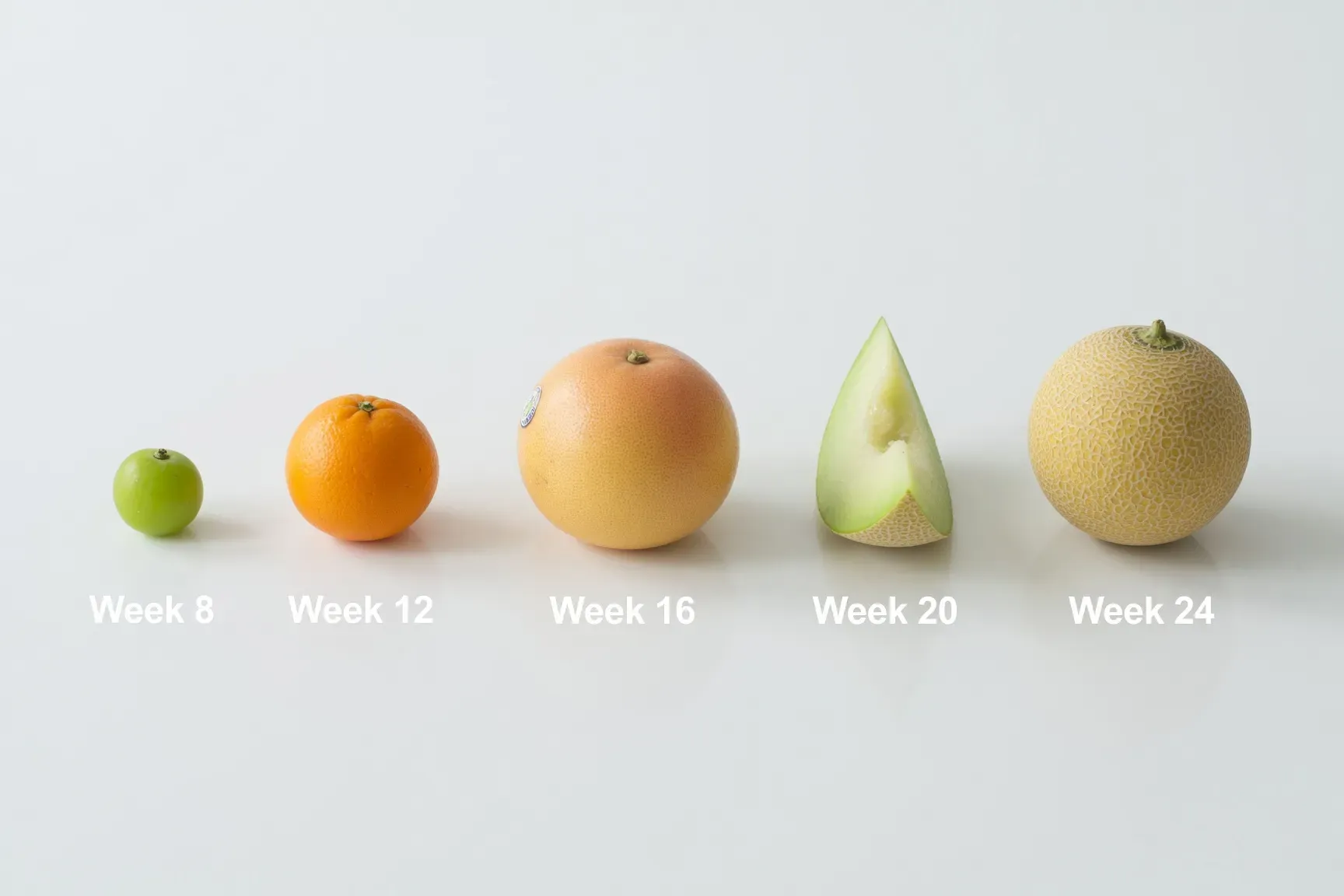
Forty weeks is a long time to hold in your head all at once.
When you’re in the middle of a pregnancy — tired, occasionally anxious, full of questions that arrive at inconvenient hours — thinking about the entire journey from conception to birth can feel overwhelming. What helps is not holding all forty weeks at once. What helps is knowing where you are right now. What’s happening this week. What’s changing in your body. What your baby is doing at this exact stage. What to expect in the next few weeks and what you can do today to feel prepared for it.
That’s the idea behind week-by-week pregnancy tracking — and it’s the structure that Mommy: Pregnancy Care & Guide is built around. The app covers all 40 weeks with baby development milestones, trimester context, practical care tips, and a running view of what’s normal for where you are right now, so that each week feels navigable rather than overwhelming.
Why tracking week by week actually helps
Pregnancy doesn’t unfold evenly. Some weeks bring noticeable changes — a symptom that arrives suddenly, a milestone you can feel for the first time, a development your provider mentions at an appointment. Other weeks feel quieter, even though your body is doing just as much.
Weekly tracking gives you a simple framework for all of it. It helps you understand what’s happening now without needing to memorise the entire trajectory of a 40-week pregnancy. It helps you notice changes without turning every new sensation into a source of anxiety. And it gives you a structure for the practical things — nutrition, rest, appointments, questions for your provider — that can otherwise get lost in the day-to-day of just getting through a pregnancy.
Take week 20 as an example. You’re halfway through. Your baby might be compared to the size of a banana — a comparison that sounds silly until you realise how much that visual actually helps. Common experiences around this week include a more visible bump, the first noticeable movements if you haven’t felt them yet, backaches from the shifting weight, round ligament discomfort, and more frequent trips to the bathroom. Knowing that these things are normal at week 20 — that they’re part of this particular stage — changes the experience of having them. What feels alarming in isolation feels manageable in context.
Weekly tracking helps you:
- Understand your current trimester and what it typically brings
- Follow your baby’s size and development in a way that feels real rather than abstract
- Prepare for symptoms and checkups before they arrive rather than reacting to them
- Keep nutrition, rest, hydration, and activity on your radar without obsessing over them
- Collect questions for your doctor or midwife as they come up, rather than forgetting them by appointment day
First trimester — weeks 1 to 12
The first trimester is one of the strangest experiences of early pregnancy: enormous things are happening inside your body, but almost none of them are visible from the outside. Your baby is developing at an extraordinary pace — the neural tube, the heart, the foundations of every major organ system — while you’re managing fatigue that can feel out of proportion to anything you’ve experienced before, nausea that doesn’t always follow the morning schedule it’s named for, breast tenderness, food aversions, bloating, mood shifts, and the particular exhaustion of a body working harder than it looks like it is.
None of this means something is wrong. Most of it means the pregnancy is progressing.
Useful habits to build in the first trimester:
- Eating small, frequent meals rather than three full ones, which can ease nausea and keep energy steadier
- Staying hydrated, even when drinking water feels harder than it should
- Taking prenatal vitamins as advised by your provider — folate especially matters most in these early weeks
- Noting symptoms that feel intense, sudden, or different from what the weekly guides describe, so you can share them with your doctor
The first trimester is also the one where resting without guilt is genuinely important. Your body is doing extraordinary work. Sleep when you can.
Second trimester — weeks 13 to 26
For many women, the second trimester feels like a turning point. The heaviest nausea often lifts, energy starts to return, and pregnancy begins to feel more like something you’re living in rather than something that’s happening to you. Your bump becomes visible. And at some point in this trimester — often around week 18 to 22 — you start to feel your baby move. That moment changes everything. It stops being abstract.
The second trimester is a good time to build routines that will carry you through the rest of the pregnancy. Balanced meals become more important as your baby grows and your own nutritional needs increase. Safe, gentle exercise — walking, prenatal yoga, swimming — supports energy, mood, posture, and sleep in ways that compound over time. Tracking symptoms weekly helps you notice what’s changing and what’s staying steady.
This is also the trimester for appointments that matter: the anatomy scan, gestational diabetes screening, and any additional checks your provider recommends. Knowing what’s coming each week helps you prepare for them.
Third trimester — weeks 27 to 40
The third trimester is where everything converges — the growth, the preparation, and the anticipation that builds week by week until it’s no longer possible to think about anything else.
Your baby is gaining weight rapidly now. Your body is accommodating that growth in ways that affect sleep, movement, and comfort in ways that the first two trimesters didn’t quite prepare you for. The mental load also increases — hospital bag planning, birth preparation, decisions about feeding, conversations about postpartum support. There’s a lot to think about.
The most useful approach in the third trimester is often the simplest one: keep the basics steady. Hydration. Rest. Safe, gentle movement. Attending your appointments. Knowing the warning signs your provider has given you and not hesitating to act on them.
What to focus on as the weeks progress:
- Baby movements — you should feel them regularly, and a noticeable change is worth flagging to your provider
- Sleep positions — sleeping on your side, particularly your left side, is generally recommended in the third trimester
- Labour signs and what they feel like, so you recognise them when they arrive
- Postpartum planning — the weeks before birth are actually a good time to arrange support for the weeks after
The third trimester is also, honestly, the hardest one for most women. If it feels harder than you expected — if you’re more tired, more uncomfortable, more emotional than the apps and articles prepared you for — that’s not weakness. That’s the third trimester.
What’s actually worth tracking each week
You don’t need to document everything. Tracking works best when it’s simple enough to actually do — a few minutes, a few categories, something you can sustain across 40 weeks rather than something you abandon by week 12 because it became another obligation.
The categories that tend to be most useful:
- Baby development — size comparisons, movement patterns, growth milestones
- Your body — symptoms, energy levels, sleep quality, areas of discomfort
- Nutrition — meals, hydration, whether you’re getting enough iron, folate, calcium, and protein
- Activity — what movement you did, how it felt, what helped and what didn’t
- Questions — anything that came up this week that you want to ask at your next appointment
That last one matters more than it sounds. Questions that arrive mid-week have a way of feeling urgent in the moment and completely disappearing by the time you’re sitting in front of your provider. Writing them down as they come up means your appointments become genuinely useful rather than fifteen minutes of reassurance for symptoms you can’t quite remember how to describe.
How to use a pregnancy app without letting it stress you out
Pregnancy apps — including Mommy: Pregnancy Care & Guide — are most useful when they reduce anxiety, not add to it.
Use them as a reference point, not a measuring stick. If a weekly guide says a symptom is common and you have it, that’s reassurance. If something feels severe, sudden, or different from what the guide describes, use the app to note the details and then contact your healthcare provider — don’t stay with the app trying to find an explanation that makes it less concerning.
Mommy: Pregnancy Care & Guide is designed around this balance. Weekly pregnancy guidance and baby progress tracking give you context. Nutrition tools and safe exercise suggestions give you practical structure. Health notes let you record symptoms in your own words before appointments. And Amma AI is available for the everyday questions — the ones at 2am that don’t warrant a call but deserve a calm, clear answer.
What all of this is actually for
The goal of week-by-week pregnancy tracking is not to monitor every moment of a pregnancy. It is to feel informed enough to care for yourself, calm enough to enjoy what’s happening, and prepared enough to ask better questions when you need support.
Pregnancy is forty weeks of change — physical, emotional, and relational — and most of it unfolds in the ordinary moments between appointments. Having a clear, week-by-week structure for understanding those moments is not excessive. It is just good preparation for one of the most significant things your body will ever do.
This article is for general educational purposes only and does not replace advice from your doctor, midwife, or qualified healthcare professional. Always speak with your provider about symptoms, concerns, or questions specific to your pregnancy.