Itching During Pregnancy: When It Is Normal and When It Signals Something Serious
A clear guide to itching in pregnancy — the common and harmless causes, the one serious condition to know about, and when to contact your provider.
Itching during pregnancy is extremely common. The majority of women experience some form of it at some point across the forty weeks, and in most cases it is entirely benign — a consequence of the skin stretching, hormonal changes affecting moisture and sensitivity, or any of the other physiological shifts that pregnancy produces.
But itching in pregnancy is also a symptom that, in one specific pattern, signals a liver condition called intrahepatic cholestasis of pregnancy (ICP), which has real consequences for the baby and which requires prompt recognition and medical management.
The difference between harmless itching and ICP-related itching is specific enough to be recognisable — once you know what to look for. This article covers all the common causes of itching in pregnancy, with particular attention to cholestasis: what makes it distinct, why it matters, and what happens when it is identified.
Common and benign causes of itching in pregnancy
Stretching skin
As the uterus grows and the skin of the abdomen, breasts, and thighs stretches to accommodate the pregnancy, itching over these areas is extremely common. It is most noticeable in the second trimester when growth is rapid, but it continues through the third trimester.
This type of itching is localised to the areas of stretching — primarily the abdomen, sides, and breasts. There is usually no rash, or there may be the early appearance of stretch marks (striae gravidarum). The skin looks otherwise normal.
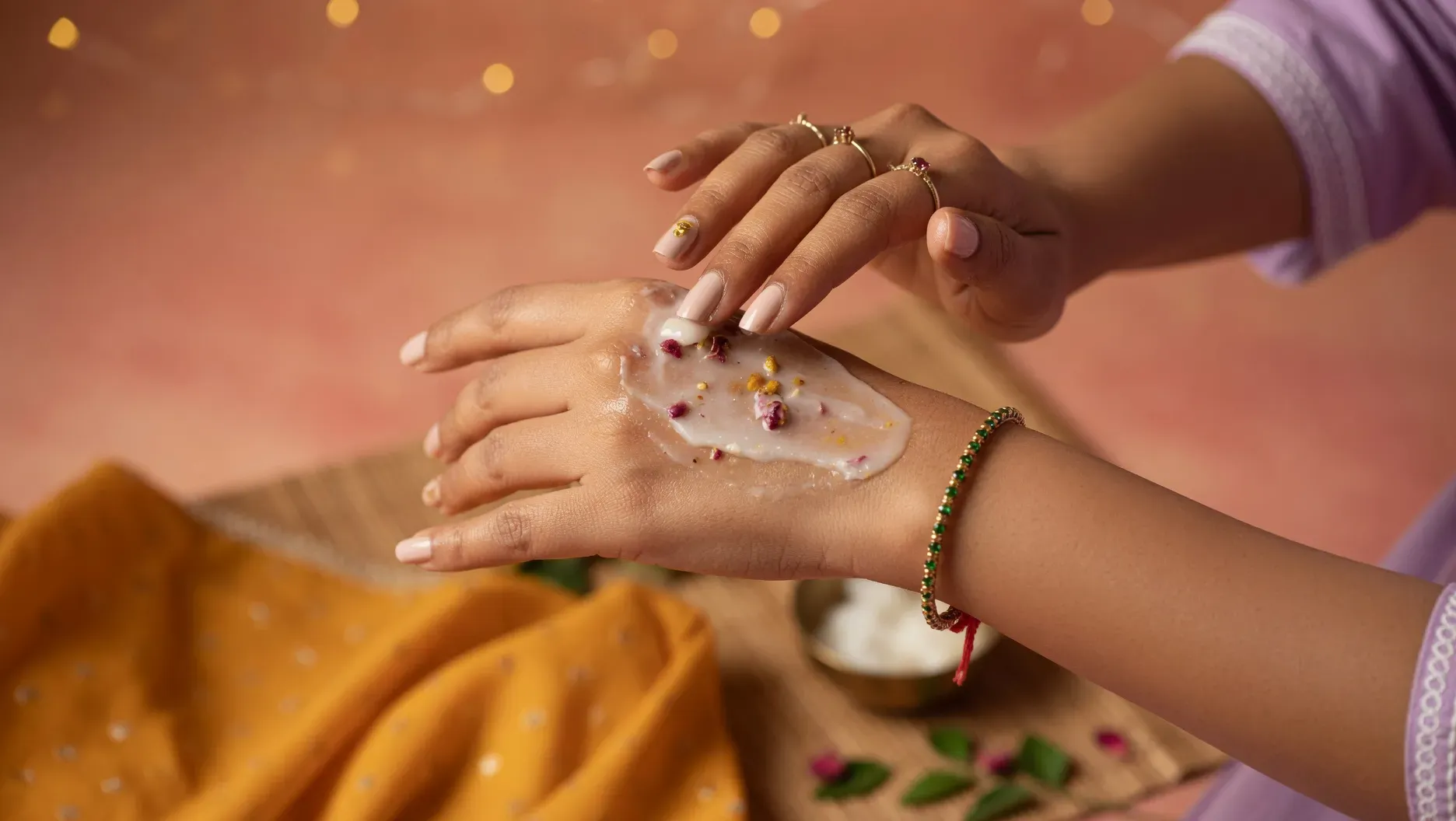
What helps: Regular moisturising reduces the sensation of dryness and tightness that accompanies stretching. Any gentle, fragrance-free moisturiser, coconut oil, shea butter, or calamine lotion applied to itchy areas provides relief. Staying hydrated supports skin elasticity. Scratching worsens the sensation and can break the skin — cool compresses or a cool, damp cloth provide relief without damage.
Dry skin
Pregnancy hormones affect skin barrier function and moisture retention, and some women find their skin becomes drier than usual — sometimes significantly so. Dry skin itches, particularly in winter or in air-conditioned environments, and the itching follows the distribution of dry skin (often the legs, arms, and abdomen) without any rash.
What helps: Switching to a gentle, fragrance-free soap or wash. Applying moisturiser to slightly damp skin immediately after bathing, when it absorbs most effectively. Avoiding very hot showers, which strip natural oils from the skin.
Heat rash (prickly heat / miliaria)
In Kerala’s warm and humid climate, heat rash is a common pregnancy experience — particularly in the third trimester when the body is generating more heat and sweating increases. Heat rash appears as small red bumps or blisters in areas of skin-to-skin contact or where clothing traps heat: under the breasts, in skin folds, on the back, or anywhere that sweating is concentrated.
What helps: Cool showers, loose breathable cotton clothing, staying in cooler environments when possible, and allowing skin to air dry. Calamine lotion soothes. Heat rash typically resolves quickly once the skin is cooled and dried.
PUPPP (Pruritic Urticarial Papules and Plaques of Pregnancy)
PUPPP — also called polymorphic eruption of pregnancy (PEP) — is a specific pregnancy rash that, while intensely uncomfortable, is benign in terms of pregnancy outcomes. It typically appears in the third trimester, more commonly in first pregnancies, and characteristically begins in the stretch marks of the abdomen before spreading to the thighs, buttocks, and arms.
The rash consists of small red bumps and hives that coalesce into itchy plaques. It does not affect the baby and resolves after delivery — but the itching can be severe, making sleep and daily function difficult.
What helps: Calamine lotion, cool compresses, and keeping the skin cool. Topical corticosteroids (prescribed by your provider) significantly reduce the inflammation and itch. Antihistamines may be recommended by your provider for severe cases. PUPPP does not respond to moisturising alone — if the rash is significant, see your provider for appropriate treatment.
Vaginal or skin infections
Yeast infections (thrush), more common in pregnancy due to hormonal changes in vaginal pH, cause localised itching of the vaginal area and vulva. This is covered in more detail in the vaginal discharge article in this series. It is self-contained and distinguishable from other types of pregnancy itching by its location and accompanying discharge changes.
Skin fungal infections in skin fold areas — beneath the breasts, in the groin — are also more common in pregnant women in warm climates and cause localised itching with a rash that often has a slightly scaly border.
Intrahepatic cholestasis of pregnancy: the itching that requires medical attention
Intrahepatic cholestasis of pregnancy (ICP) — also called obstetric cholestasis or ICP — is a liver condition specific to pregnancy in which bile acids accumulate in the bloodstream rather than flowing normally from the liver into the digestive system. The exact cause is not fully understood, but it involves hormonal effects on liver function that cause bile flow to become impaired.
ICP is not rare. It affects approximately one in one hundred to one in two hundred pregnancies in India, with some studies suggesting higher rates in South Asian populations than in European ones. It resolves after delivery but recurs in subsequent pregnancies in the majority of women who have had it.
Why ICP matters: Unlike the benign causes of itching described above, ICP is associated with a significantly increased risk of fetal complications, including preterm birth, meconium staining of amniotic fluid, and, in severe untreated cases, stillbirth. The risk of stillbirth associated with ICP is the reason it is taken seriously — and the reason the specific pattern of ICP-associated itching is important to recognise.
What ICP itching feels like — and how it differs from normal pregnancy itching
The itching of ICP has a characteristic pattern that distinguishes it from stretch-related or dry-skin itching:
Location: ICP itching is predominantly on the palms of the hands and soles of the feet. This is one of its most distinctive features. It may also affect the limbs and trunk, but palmar and plantar itching — itching on the palms and soles specifically — is a classic presentation that should always prompt consideration of ICP.
No rash: The skin in ICP looks entirely normal. There is no rash, no redness, no visible cause for the itching — the skin surface appears unchanged, yet the itching is intense. Any marks or scratches visible on the skin are from scratching, not from a rash.
Intensity: ICP itching is often described as intensely uncomfortable — worse than typical pregnancy skin itching, and difficult to relieve through scratching or moisturising. It can significantly disturb sleep.
Timing: ICP typically develops in the third trimester, most commonly after twenty-eight weeks, though it can appear earlier. It often worsens at night.
May be accompanied by: Mild jaundice (yellowing of the skin or whites of the eyes), dark urine, pale stools, and right upper abdominal discomfort — though these symptoms are not always present, particularly in early or mild cases.
The comparison that matters: Itchy abdomen from stretching skin, with normal-looking skin — common and benign. Intensely itchy palms and soles, with no visible rash — report to provider.
How ICP is diagnosed
If ICP is suspected based on symptoms, blood tests are done:
- Serum bile acids: The definitive diagnostic test. Elevated bile acids confirm ICP. The severity of ICP and the risk to the baby correlate with the bile acid level.
- Liver function tests (LFTs): ALT and AST (liver enzymes) are typically elevated in ICP.
- Bilirubin: May be mildly elevated.
A diagnosis of ICP requires a blood test — the symptoms alone are not sufficient, because the differential diagnosis (other liver conditions) needs to be excluded.
How ICP is managed
Ursodeoxycholic acid (UDCA): The primary treatment for ICP. UDCA is a naturally occurring bile acid that improves bile flow and reduces serum bile acid levels. It is safe in pregnancy and significantly reduces maternal symptoms. It also appears to improve fetal outcomes, though the evidence is evolving.
Monitoring: Women with ICP are monitored more frequently — more regular bile acid levels, liver function tests, and fetal wellbeing assessments (CTG monitoring, fetal movement awareness).
Timing of delivery: Because the risk of stillbirth associated with ICP increases at higher bile acid levels and with advancing gestation, early delivery is typically planned — the exact timing depending on bile acid severity, fetal wellbeing, and the policies of the treating unit. Many women with ICP deliver at thirty-seven to thirty-eight weeks rather than awaiting spontaneous labour at forty weeks.
Vitamin K: ICP can impair fat-soluble vitamin absorption, including vitamin K. Supplementation may be recommended, particularly if the mother is approaching delivery, because clotting function can be affected.
A specific note for South Asian families
ICP runs in families — it has a genetic component, and women whose mothers or sisters have had ICP are at higher risk themselves. If ICP has affected a close female relative’s pregnancy, mention this to your provider at your antenatal booking so that a lower threshold for investigation is applied if itching develops.
ICP is not caused by diet, lifestyle, or anything the mother has done. It is a physiological response to pregnancy hormones in a woman with a particular liver physiology. It is not preventable, but it is detectable and manageable.
When to contact your provider about itching
Contact your provider if:
- Itching is predominantly on the palms of your hands or soles of your feet
- Itching is intense and disturbing your sleep
- Itching has no visible skin cause — the skin looks normal but the itch is severe
- Itching is accompanied by jaundice, dark urine, or pale stools
- A rash is spreading, blistering, or covering large body areas
- You are uncertain whether what you are experiencing is normal
Seek same-day assessment if:
- Itching on palms and soles is severe and developing rapidly
- Any jaundice is visible
- You have reduced fetal movement alongside itching
Normal itching that does not require urgent review:
- Itching over the stretching abdomen with normal-looking skin
- Itching of dry skin areas with no rash
- Heat rash in a pattern consistent with sweat distribution
- Mild localised itching that responds to moisturiser or cooling
The honest message
Most itching in pregnancy is normal, manageable, and not a sign of anything serious. Stretching skin, dry skin, heat, and hormonal effects on skin sensitivity produce the itching that most women experience.
The one pattern that requires prompt medical attention is specific and recognisable: intense itching concentrated on the palms and soles, without a visible rash, typically from the third trimester onward. This is the pattern of intrahepatic cholestasis of pregnancy — a condition that is very treatable but that needs to be identified through a blood test and managed with appropriate care.
Know the difference. If what you are experiencing is the first — localised, associated with stretching or heat, with visible skin changes or none at all — care for your skin and know it will resolve after the birth. If what you are experiencing is the second — palms, soles, intense, no rash — contact your provider and ask about bile acid testing.
Both deserve attention. Only one is urgent.
This article is for general educational purposes only and does not replace personalised medical advice. Always consult your doctor, midwife, or a qualified healthcare professional about itching during pregnancy, particularly if you have any concern that it may be related to a liver condition.