
Formula Feeding in India: A Judgement-Free Guide for Mothers Who Need It
A practical, non-judgmental guide to formula feeding in India — choosing a formula, safe preparation, feeding amounts, and navigating the social pressure around not breastfeeding.
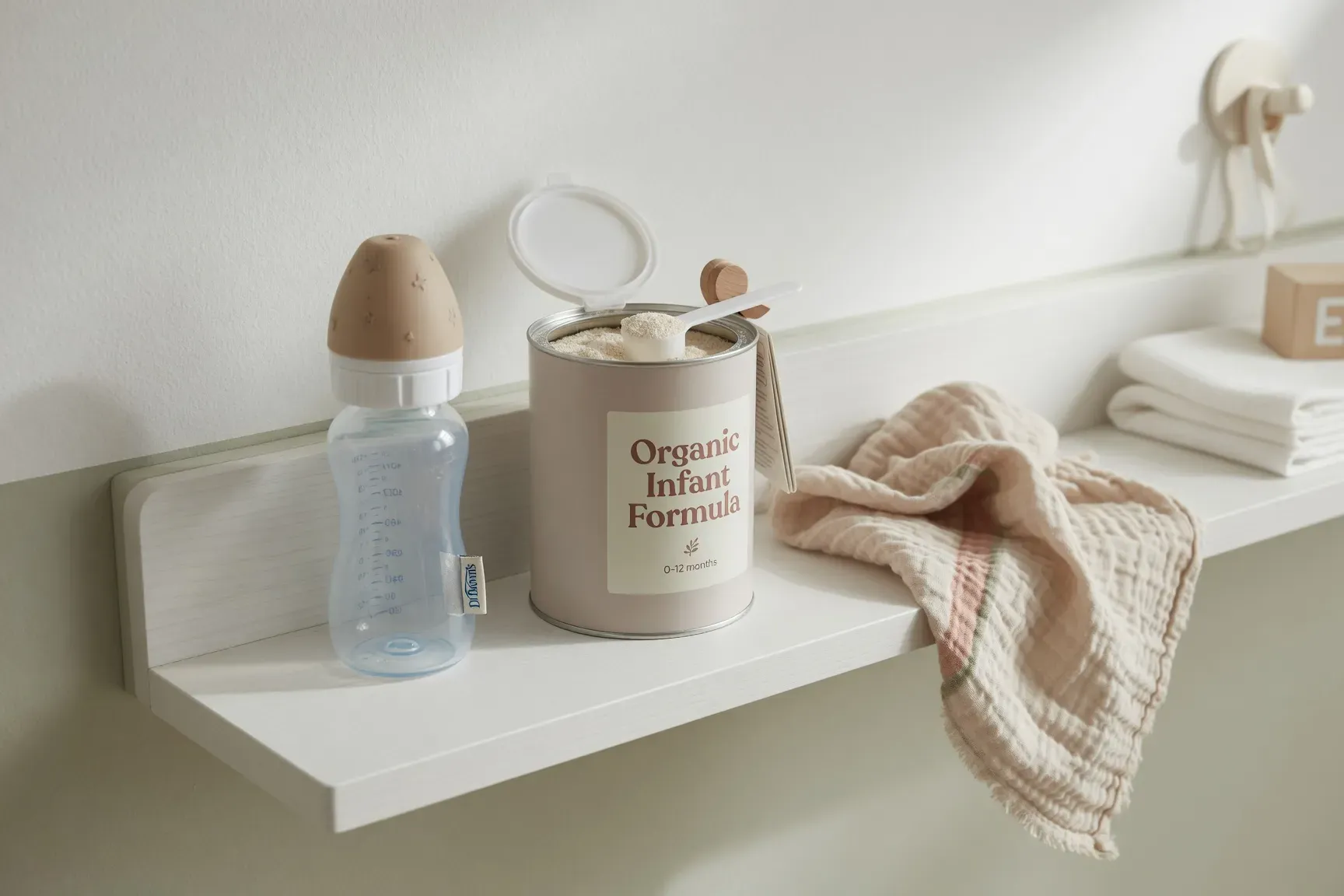
Breastfeeding is the recommended first choice for infant feeding, and there are genuine, evidence-based reasons for that recommendation. This guide is not questioning it.
What this guide is addressing is the reality that not every mother breastfeeds — and not every mother who doesn’t breastfeed has chosen convenience over her baby’s health. Some mothers cannot breastfeed due to medical conditions, medications, previous surgery, or physiological factors. Some babies cannot breastfeed adequately due to tongue tie, cleft palate, or other conditions. Some mothers have tried everything and supply has not been sufficient despite every intervention. Some mothers have made an informed choice that formula is right for their family, for reasons that are their own.
In India, where breastfeeding is heavily culturally promoted and formula feeding carries real social stigma in many communities, mothers who use formula — whether exclusively or in combination with breastfeeding — often receive significantly more judgment than support. This guide is for those mothers.
Choosing a formula in India
Infant formula is regulated in India under the Food Safety and Standards Authority of India (FSSAI). All formula sold legally in India must meet minimum nutritional standards.
Types of formula available:
Standard cow’s milk-based formula — The most common and appropriate starting point for most full-term healthy babies. Brands available in India include Nan, Similac, Enfamil, Dexolac, and others. Within this category, there is no evidence that premium or expensive brands provide significant benefit over standard options that meet FSSAI requirements.
Partially hydrolysed formula — Cow’s milk protein is partially broken down. Sometimes recommended for babies with mild cow’s milk sensitivity or family history of allergy. Not necessary for most babies.
Extensively hydrolysed formula — For babies with confirmed cow’s milk protein allergy. Requires medical guidance.
Soy-based formula — Not recommended as a first choice, particularly for infants under six months. Use only under medical guidance.
Premature or low birth weight formula — Specifically designed for premature babies. Only for babies for whom it is specifically recommended.
Discuss formula choice with your paediatrician, particularly if your baby has specific health conditions, was born premature, or has family history of allergy. For most healthy full-term babies, a standard cow’s milk-based formula is appropriate.
Safe formula preparation
Formula preparation safety is genuinely important — incorrectly prepared formula is the most common source of formula-related illness in infants. India’s water quality and kitchen hygiene context makes this more, not less, relevant.
Water safety — Use boiled water that has been cooled to approximately 70°C (not fully cooled — the temperature kills bacteria that can contaminate formula powder). Do not use untreated tap water, well water, or water that has not been boiled. Filtered water alone is not sufficient without boiling.
Sterilisation — All bottles, teats, and feeding equipment should be sterilised before use. Boiling in water for 5 minutes is effective. Sterilising units (microwave steam sterilisers or electric sterilisers) are convenient but boiling works just as well.
Preparation sequence:
- Wash hands thoroughly
- Sterilise all equipment
- Boil fresh water and allow to cool to approximately 70°C (about 30 minutes after boiling in a covered container)
- Pour the required amount of water into the sterilised bottle first
- Add the exact number of scoops specified on the tin — level scoops, not heaped
- Seal and shake to dissolve
- Cool to feeding temperature under cold running water or in a bowl of cold water
- Test temperature on the inside of your wrist before feeding
Never add extra scoops to make the feed more filling — this concentrates the formula beyond safe levels and can harm your baby’s kidneys.
Ready-to-feed formula — More expensive but requires no preparation and eliminates the water safety variable. Useful when travelling or when safe water access is uncertain.
Storage — Freshly prepared formula should be used within two hours at room temperature. If not used immediately, store in the refrigerator and use within 24 hours. Do not store prepared formula at room temperature for later use.
How much formula and how often
Newborn feeding amounts and frequency with formula:
- Weeks 1–2: approximately 60–90ml per feed, every 2–3 hours (8–12 feeds per day)
- Weeks 2–4: approximately 90–120ml per feed, every 3 hours
- 1–2 months: approximately 120–150ml per feed, every 3–4 hours
- 2–4 months: approximately 150–180ml per feed, every 4 hours
- 4–6 months: approximately 180–240ml per feed, 4–5 feeds per day
These are approximate guides. Follow your baby’s cues — a baby who finishes a bottle and still seems hungry may need slightly more. A baby who consistently leaves formula may need slightly less. Discuss feeding amounts with your paediatrician at well-baby checks.
Formula-fed babies should not be encouraged to finish every bottle regardless of cues — responsive feeding, where you feed to your baby’s hunger and fullness signals, applies to bottle feeding as much as to breastfeeding.
Navigating the social pressure
Formula feeding in India comes with a social weight that breastfeeding does not. The “breast is best” message — while clinically accurate — has in practice created an environment where mothers who use formula, for any reason, often feel judged, defensive, or required to explain themselves.
A few things worth knowing:
You do not owe anyone an explanation for how you feed your baby. The decision about how your baby is fed belongs to you and your partner, informed by your doctor’s guidance and your specific circumstances.
Your baby needs to be fed, loved, and cared for. The method of feeding is one component of that. A mother who is struggling, exhausted, or distressed by breastfeeding difficulties does not provide optimal care by forcing herself to continue at significant personal cost. A fed, loved, cared-for baby with a mother who is coping is the goal.
If family members are making formula feeding harder with constant commentary — about your choice, about your supply, about what you should be doing differently — it is reasonable to ask them directly to stop. Not rudely, but clearly. “I have discussed this with my doctor. We are doing what is right for our baby and our family. I need your support, not your advice about this.”
Your paediatrician is your ally here. A doctor who supports your feeding choice and can explain to other family members why your baby is thriving can be more effective than any amount of defensive explanation from you.
This article is for general educational purposes only. Always consult your paediatrician about the right formula and feeding approach for your baby’s specific needs.